The Vibe Father
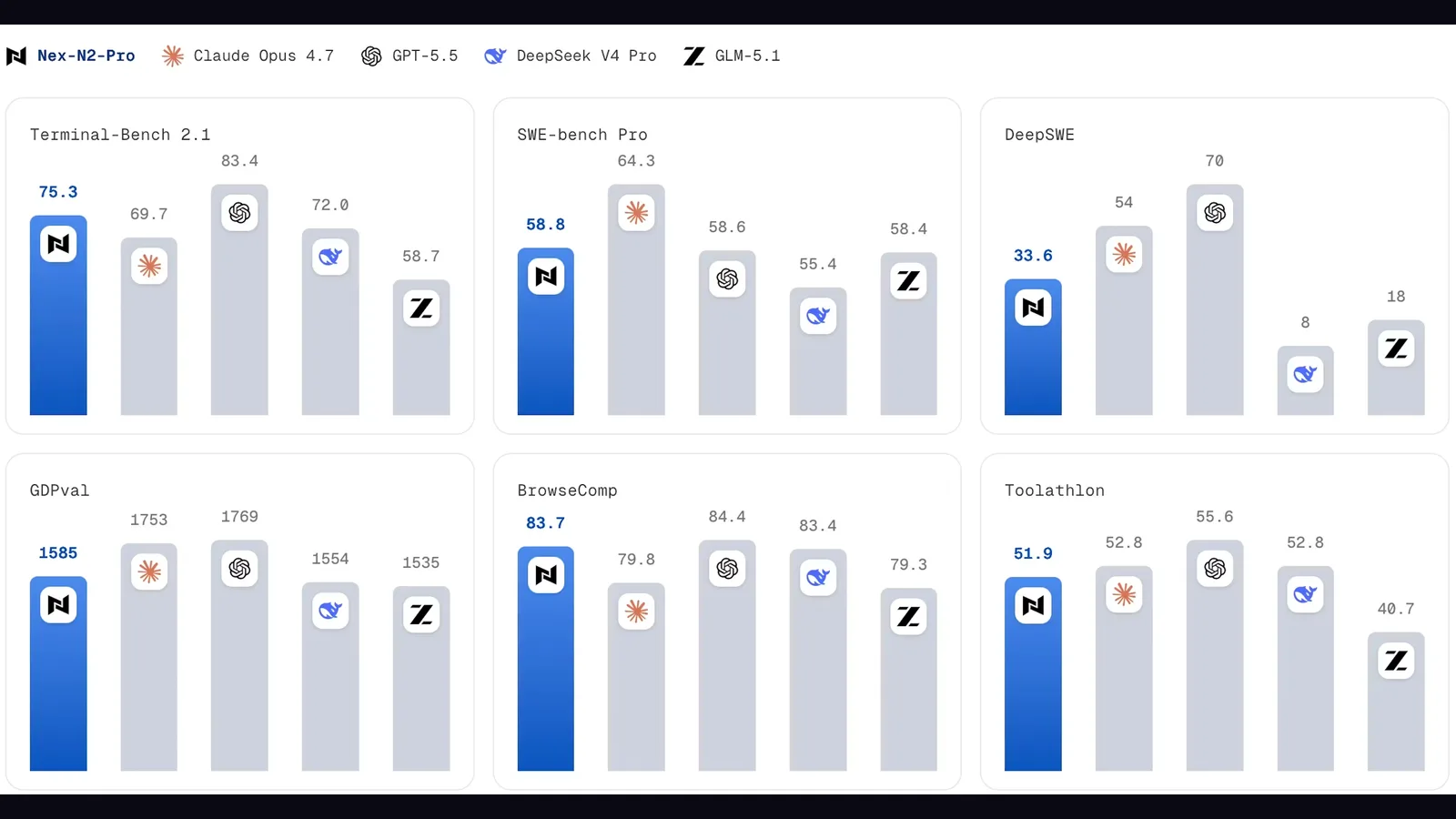
“Coming around Friday” is not a deployment plan. Model companies often announce dates early, roll out access in stages, change identifiers at the last moment, and publish performance claims before outside teams can reproduce them. None of that is unusual. The mistake is letting the first signal automatically trigger a migration, a purchasing decision, or a leaderboard rank.
Four events that are easy to blur together
| Event | What it proves | What it does not prove |
|---|---|---|
| Roadmap statement | A company or executive intends to ship. | That the model is available or performs as claimed. |
| Product announcement | A named release and its stated terms exist. | That your account, region, or workflow can use it. |
| API or product access | You can identify and test a real model. | That it is reliable for your tasks. |
| Comparable evaluation | A measured result on a disclosed method exists. | That the result transfers to every repository and harness. |
The Grok 4.6 watch is a clean example. Reporting captured a founder-set around-August-7 target, while xAI’s public documentation still recommends Grok 4.5 for coding. The useful conclusion is neither “it definitely failed” nor “it must be live because a date passed.” It is, wait for the release evidence, then test the thing that actually ships.
A release-day operating checklist
- Find the provider’s model card, changelog, API reference, or product announcement.
- Record the exact model identifier, access tier, region, pricing, context limit, and deprecation terms.
- Run a small fixed evaluation set from your own repository before changing defaults.
- Keep the prior model available as a rollback path.
- Separate launch claims from independent results in every internal comparison.
- Measure task success, review time, latency, cost, and failure mode—not just a single headline benchmark.
Benchmarks are a filter, not a permission slip
External benchmarks help narrow a crowded field, especially when the source, prompt budget, harness, and scoring method are available. But coding agents also depend on tool permissions, repository context, operating system behavior, retries, and review practices. A strong score may justify a trial. It should not bypass a sandbox, test suite, code review, or deployment gate.
Bottom line
Use announcements to prepare, public access to test, and reproducible evidence to rank. That three-step habit keeps a missed date from becoming a bad migration and keeps a launch-day claim from becoming a permanent fact.